Last updated November 23, 2026
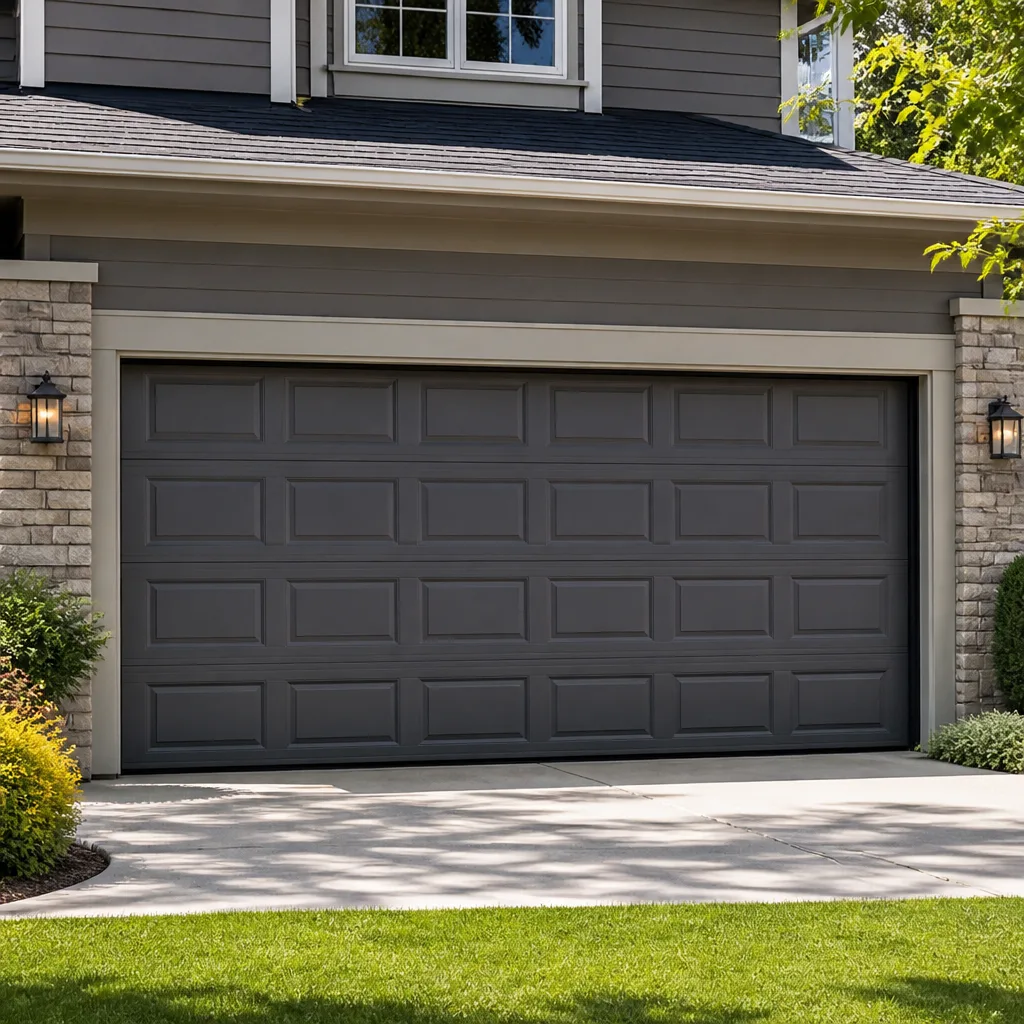 Raised-panel steel
 Carriage house
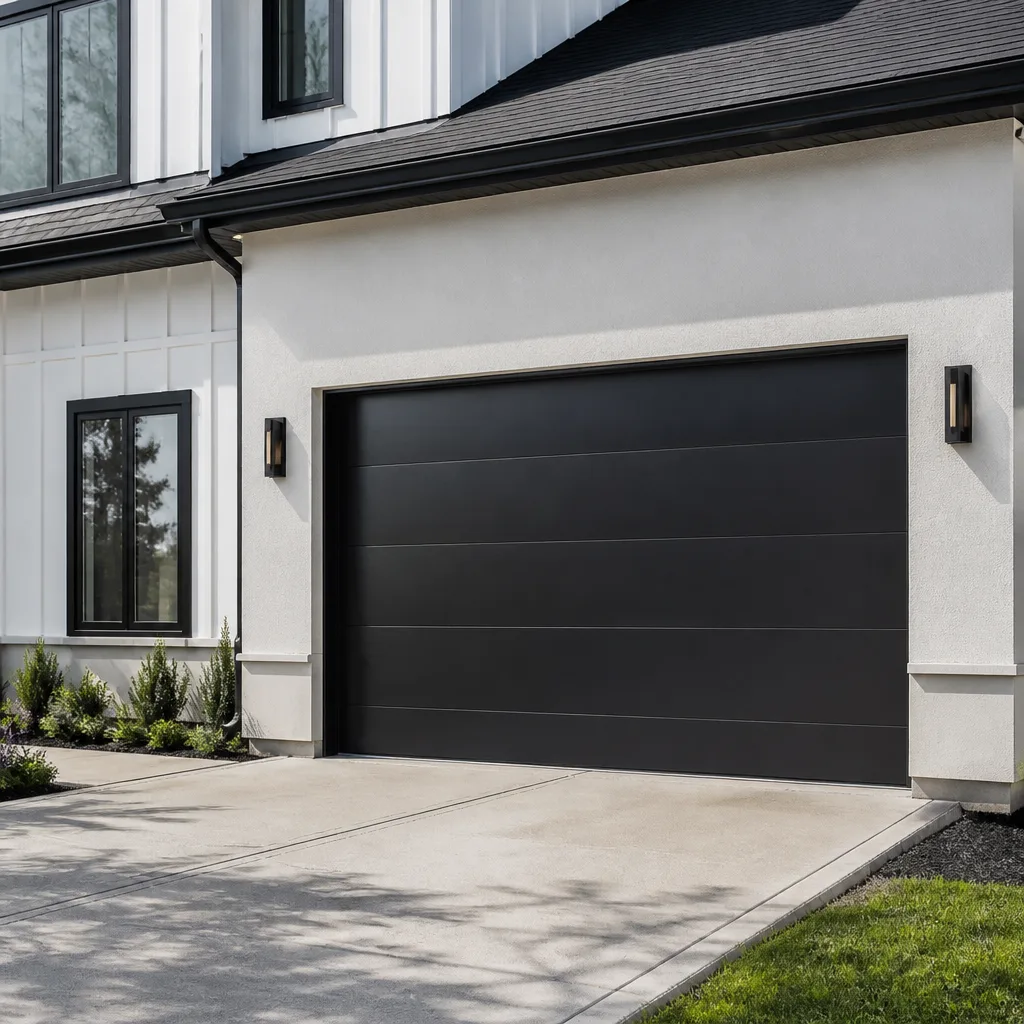 Modern flush
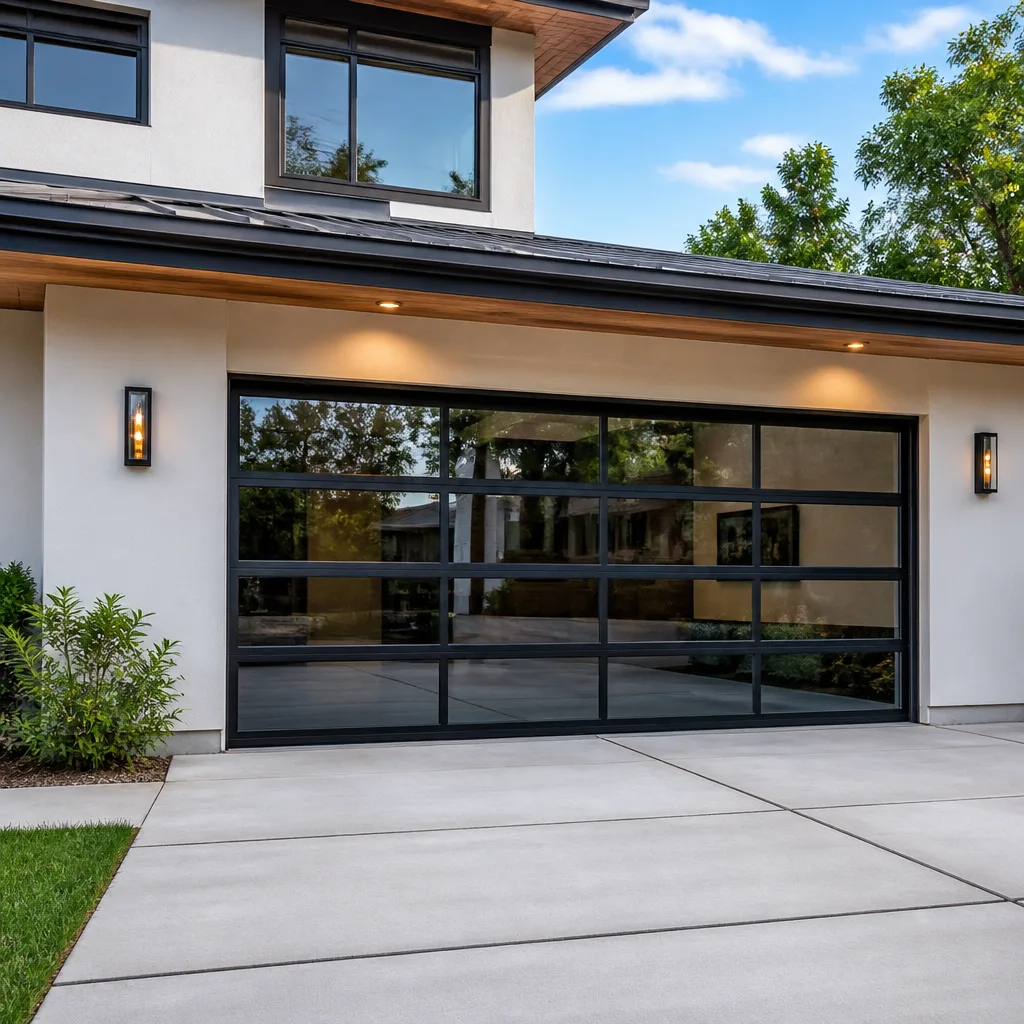 Full-view glass
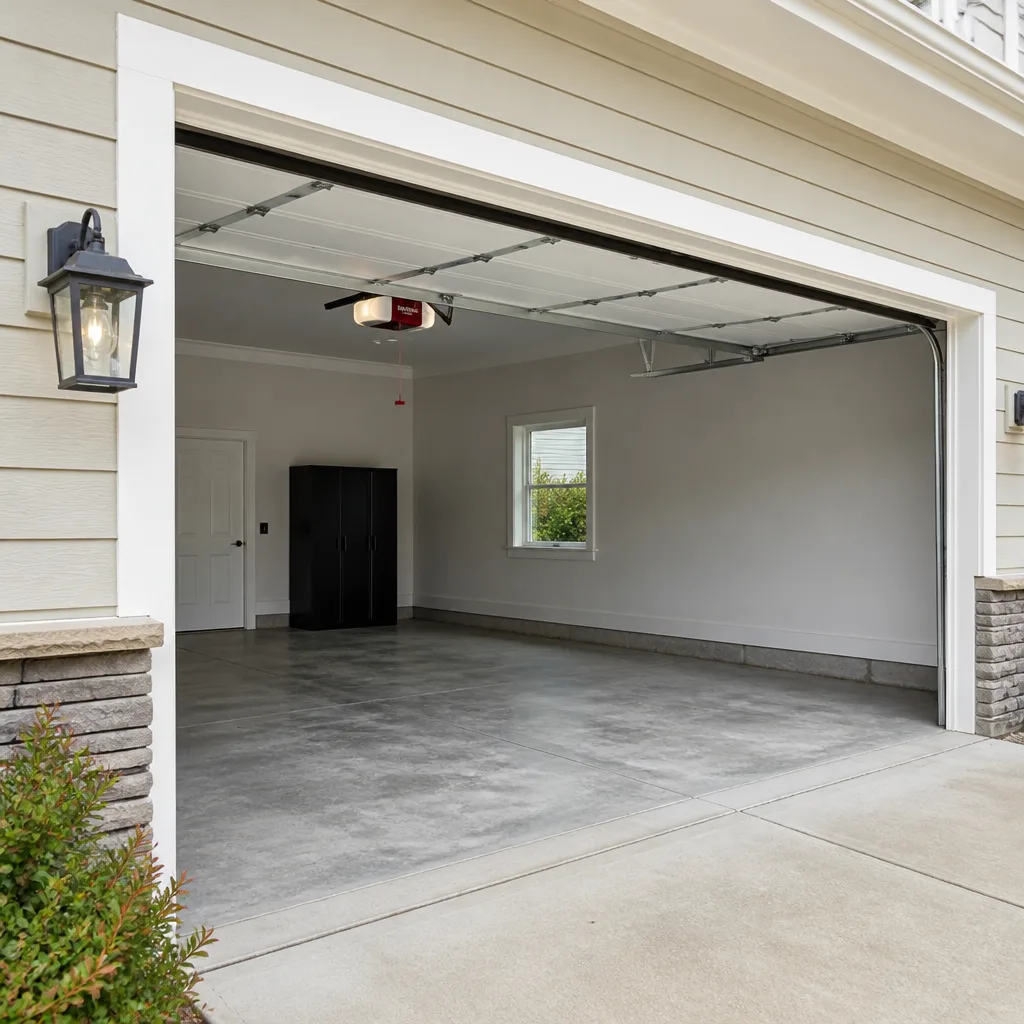 LiftMaster openers
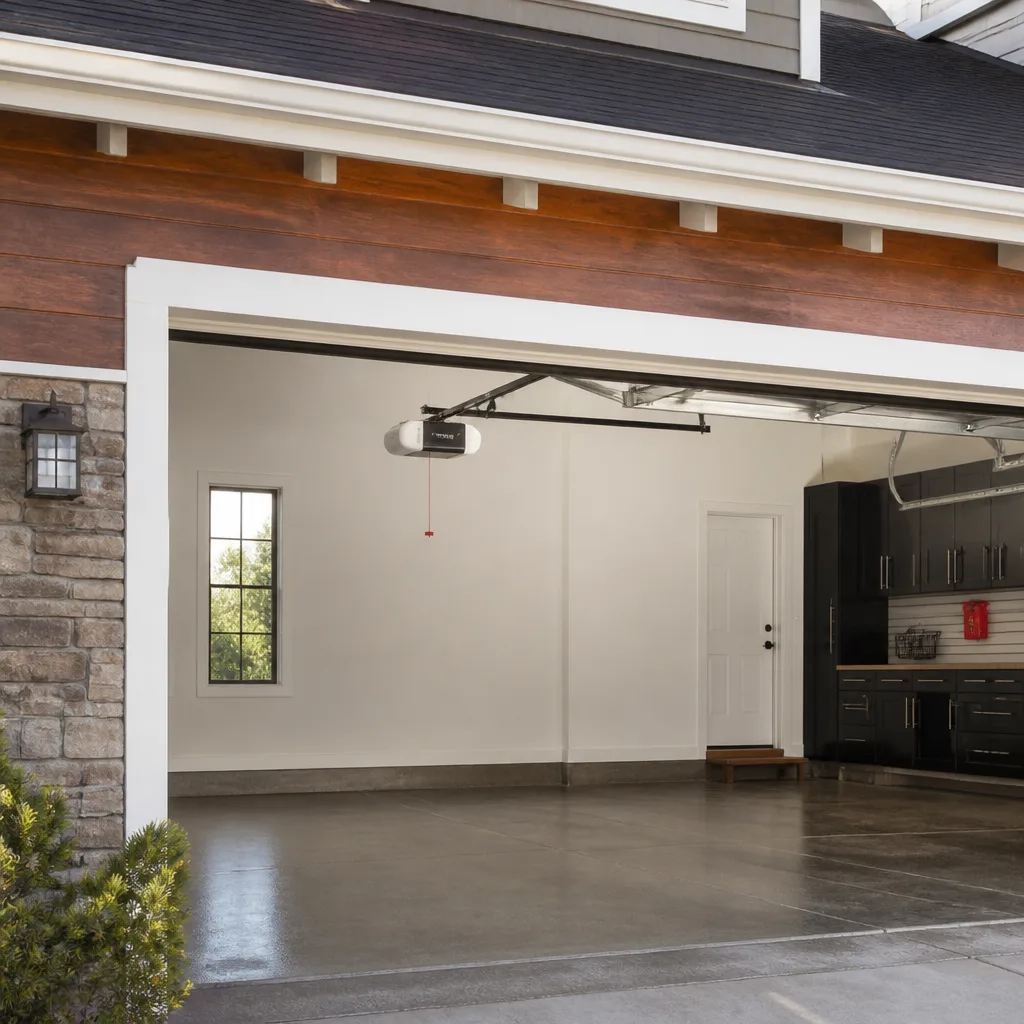 Chamberlain openers
Full 25-point door and opener safety check with every visit - springs, cables, rollers, tracks, and your LiftMaster or Chamberlain opener included
You get a price before we start. It does not change when the pro arrives.
Get your free estimateHow to Hire a Garage Door Contractor in Sunrise: A Step-by-Step Guide
Most hiring guides hand you the same three lines: check reviews, get three quotes, ask for references. That advice works fine when you’re planning a kitchen remodel and have a month to decide. It falls apart when your door is stuck open at 7 PM and your house is wide open to the street, or when a repair has to hold up at a Broward County inspection and the person who did it can’t be found.
Florida also has a wrinkle most guides skip. Garage door work sits in a gray zone: some of it clearly requires a licensed contractor under state statute, and some of it doesn’t. Homeowners who don’t know where that line sits end up hiring the wrong person for the wrong job. This guide walks through the vetting steps that actually protect a Sunrise homeowner, in order, from the first search to the final invoice.
Quick Answer
To hire a garage door contractor in Sunrise, verify the license and insurance before anything else, ask for a written estimate with line items and a stated scope, and get in writing whether the job requires a permit. For repairs, confirm the technician works on your brand rather than pushing a replacement. For installations, expect a measure, a written price, and a scheduled date, not a same-day promise. Licensed and insured credentials, a written scope, and a clear point of contact are what separate a real garage door specialist from a generalist with a ladder.
Styles & brands we work with
- Raised-panel steel
- Carriage house
- Modern flush
- Full-view glass
- LiftMaster openers
- Chamberlain openers
Table of Contents
- How do you verify a garage door contractor’s license in Florida?
- What does “insured” actually mean, and how do you check it?
- How do you spot the post-storm contractor surge in South Florida?
- What must a legitimate written estimate include in Florida?
- What questions reveal whether a contractor knows your opener brand?
- Repair or replace your garage door in Sunrise: how to decide.
- How should you handle an emergency garage door failure in Sunrise?
- Who should touch your springs? A safety note.
How do you verify a garage door contractor’s license in Florida?
You verify a Florida contractor’s license through the Department of Business and Professional Regulation (DBPR) license lookup. You can search by name, license number, or business name, and the record shows license type, status, and any disciplinary history. The whole check takes about two minutes once you know what you’re looking for.
Here’s the step-by-step:
- Ask for the license number before you book. A legitimate contractor will hand it over without hesitating. If they can’t produce one, that tells you something.
- Search the number on the DBPR portal. Don’t search by business name alone; names get reused and misspelled. The number is the identity.
- Read the license class, not just “active.” Florida uses different classes for different scopes. A general, building, or residential contractor license covers structural and major install work. A specialty license covers narrower scopes. What matters is whether the class on record actually covers the garage door job you’re hiring for.
- Check the status and the history. “Active” is good. Complaints, citations, or a suspended status are the things that matter more than the star rating on a review site.
Now the gray zone. Swapping a torsion spring or replacing an opener motor is a repair; it’s not structural work, and it doesn’t always require a licensed contractor under Florida statute. Installing a new garage door, particularly on a new build or where structural modification is involved, can require a licensed contractor. That distinction is where homeowners get burned. If the scope is a repair, you may legally hire a specialist who isn’t licensed as a contractor. If the scope is an install or anything touching the structure, ask the licensed question directly and get the answer in writing. When in doubt, ask the City of Sunrise building department what the job you’re planning requires; they’ll tell you.
For more on what a repair visit actually covers, see our page on garage door repair.
What does “insured” actually mean, and how do you check it?
“Insured” on a website means nothing on its own. Anyone can type it into a footer. What protects you is a certificate of insurance, and specifically one that names you as additional insured for the duration of the job.
Here’s why the certificate matters. If a technician is injured on your property and the company has no coverage, you can be exposed. If a door gets damaged during the job and there’s no liability policy, you’re arguing over who pays. The certificate shifts that risk off you and onto the contractor’s policy. It’s not a bureaucratic formality; it’s the difference between being a customer and being an unsecured party to someone else’s problem.
Ask for two things:
- A certificate of insurance (COI) showing general liability coverage, with your Sunrise address and name listed.
- Workers’ compensation coverage for the technicians who’ll be on your property. This one is easy to forget and important.
A real contractor will produce both without friction. If the response is “we’ll get it to you later,” that’s the answer. Also confirm the insurance is current, not expired, and that it lists the same business name as the license. A certificate under a different entity name doesn’t protect you.
This is a step most homeowners skip because it feels awkward to ask. Skip it anyway and you’re the one who absorbs the risk if something goes wrong. The best moment to ask is before the appointment is scheduled, not when the technician is already in your driveway.
How do you spot the post-storm contractor surge in South Florida?
After a storm moves through South Florida, out-of-area crews and brand-new “companies” appear with equipment, a magnetic sign, and a low price. A predictable share of them are gone before the warranty on their own work would ever come due. That isn’t a knock on out-of-town help generally; it’s a specific pattern worth recognizing in the weeks after severe weather.
What separates the ones who stick around from the ones who disappear:
- Verifiable local presence. A business name you can find in DBPR records, with a license class that matches the scope, is a starting point. A name that only exists on a flyer isn’t.
- Reference requests you can actually complete. Ask for prior customers in the surrounding area you can call. If the references are out of state or unreachable, that’s not proof of anything.
- Written warranty in hand before work starts. Ask what happens if the door or opener fails in six months and where the crew will be to honor it. A contractor who’s local enough to come back will say so.
- Pressure tactics. If the price only exists “today” and there’s no time for a written estimate, that’s not urgency; that’s a closing technique.
- Full payment demanded up front. A deposit for materials on an install is normal. Full payment before the crew arrives is not.
Sunrise sees this pattern regularly after severe weather, because so many homes have overhead doors that can be damaged by debris or power loss. Impact damage to a door panel or an opener fried by a power surge is the kind of thing that brings people into your driveway with a price. Ask the license and insurance questions anyway, no matter how helpful they seem. If the door itself was damaged and won’t move, our garage door repair team is the number to call once you’ve finished vetting.
What must a legitimate written estimate include in Florida?
A legitimate written estimate should be specific enough that you can hold the contractor to it. A one-line text saying “spring replacement, $350” is not an estimate; it’s a price on the back of a napkin. In Florida, and in any state, what protects you is a document that states what will be done, what it will cost, and under what terms.
Here’s what a real written estimate should contain:
- Scope of work in plain language. “Replace torsion springs (pair),” “install opener motor, reuse existing rail,” or whatever the job actually is. If the scope is spring replacement, the estimate should specify one spring or a pair; those are not the same job and not the same price.
- Line-item pricing. Each part and labor line priced separately, not bundled into a total. This is what lets you compare quotes honestly and catch upsells.
- Parts specified by brand or model. Openers in particular vary widely. “New opener” is not enough; ours would name the brand because we work across brands and don’t default to one. Yours should too.
- Labor, separate from parts. A single all-in number makes it impossible to know what you’re paying for a part versus the work.
- What’s not included. A good estimate tells you what will cost extra: permit fees if any apply, disposal, painting, new hardware. “Not included” is not a red flag. Hidden extras later are.
- Stated warranty and duration. Parts warranty, labor warranty, and for how long each lasts.
- Name, license number, and a signature line. Not just a first name.
The price you agree before work starts is the price, and the written estimate is the document that says so. If the final invoice exceeds the estimate, you should be the one approving the difference, not guessing where it came from. For a fuller picture of what specific services cost, see our garage door opener repair page.
What questions reveal whether a contractor actually knows your opener brand?
Brand fluency is the single most underused vetting question in this trade. Openers from LiftMaster, Chamberlain, Genie, Craftsman, Wayne Dalton, Amarr, Raynor, and Clopay each have their own parts, troubleshooting logic, and known failure points. A contractor who knows your brand will diagnose the door you have; one who doesn’t will default to “you need a new one.”
Here are the questions that separate the two:
- “What brand of opener do I have, and what’s the common failure on that model?” If they can’t answer without looking at the label, that’s a starting point but not the end of it; anyone can read a label. The follow-up matters: “What usually goes first on that unit?”
- “Are you fixing my existing opener or replacing it, and why?” A specialist offers you the repair and explains the limit. A generalist who doesn’t know the brand will lean toward replacement because it’s easier for them.
- “Do you carry remotes and parts for my brand, or do you source them?” Either answer is fine as long as it’s specific and honest. “We have it” with no model knowledge isn’t.
- “Does my door require a specific torsion spring or opener model, and how do you know?” Garage door systems are sized to the door weight and dimensions. A contractor who talks about door weight, spring size, and panel model is demonstrating real knowledge.
- “Can you show me the same brand working on another door in the area?” Not required, but a specialist with a real service history will be able to talk about the brands they see in Sunrise homes.
We work on the brands in these homes because that’s the door already on the house. A truck stocked with one brand’s parts and a “replace it” script is a tell. If you’re not sure what your opener even is, a qualified crew will identify it as part of the visit and tell you whether repair makes sense before they quote you anything.
Repair or replace your garage door in Sunrise: how to decide.
The repair-or-replace decision comes down to the cost of the repair relative to a new door, and the condition of the springs, opener, and panels. A door with failing springs and an aging opener but solid panels is usually a repair job. A door with rotted wood, cracked panels, and repeated mechanism failures is often pushing toward replacement.
A simple way to frame it:
- Repair is usually the right call when the failure is isolated: a spring, an opener motor, a roller set, or a bent track. These are mechanical components and they wear out independently of the door.
- Replacement starts making sense when the door structure itself is compromised, when you’re facing multiple simultaneous mechanical failures, or when the door is old enough that parts are hard to source for its brand.
- Installation is a measured, scheduled job in Sunrise. A new door needs a measurement, an order, and a scheduled install. It’s not a same-day service, and any contractor who promises same-day install is telling you to worry about their process. Expect a written price and a date.
For most homeowners, this decision is easier than it feels because the door is doing the work and the failure is specific. A good contractor will tell you which one it is without pushing. If your goal is to keep the door you have working, that’s what we do: same door, working again. Our page on garage door spring repair covers the most common repair category in detail.
How should you handle an emergency garage door failure in Sunrise?
An emergency door failure is one that leaves the door stuck open, stuck closed, or broken in a way that lets it crash down. In those cases, the first priority is keeping people and property safe, and the second is getting a qualified technician out fast.
What to do in the moment:
- Keep people and vehicles clear of a door that’s hanging, off-track, or under tension. Don’t try to force it up or down. A door that drops is heavy and dangerous.
- If the door is stuck open and the house is unsecured, get eyes on the situation. Don’t leave it open and walk away. Call for service.
- Don’t attempt a repair on springs or cables yourself. Springs carry high tension and are the most dangerous part of the system. Leave them to a trained technician.
- Call a garage door specialist, not a general handyman. An emergency call for a stuck door is a trap for a generalist who doesn’t have the right parts or the training. A specialist can diagnose the opener, the springs, the track, and the panel in one visit.
Emergency door service is a real category, and it’s worth knowing which local businesses actually offer it before you need it. Our team handles emergency calls, including for doors stuck in the open or closed position. If your door won’t move, call (855) 658-4060 and tell us what it’s doing; the more you can describe the sound and the stuck position, the faster we can get you the right help.
Who should touch your springs? A safety note.
Springs are the most dangerous part of any garage door system, and they should only be handled by a trained technician. A torsion spring holds a substantial amount of stored energy; when it fails under load or is installed incorrectly, it can cause serious injury. This isn’t a component anyone should be adjusting or replacing on a DIY basis.
What you can reasonably check yourself without touching the mechanism: does the door feel heavy when you lift it by hand; is it balanced; does it close evenly on both sides; does it make a new, loud noise. Those are the symptoms of a spring problem or a balance problem. What you should not do is try to oil, adjust, or swap a spring, or attempt to unwind one that’s already under tension.
For a spring issue, get a specialist. Our dedicated spring repair service exists because this is the one job where “I’ll try it myself” is the wrong instinct. If you suspect a spring problem, don’t wait; call (855) 658-4060.
Common Mistakes to Avoid
- Hiring off a single social media recommendation with no license check. A friend’s positive experience doesn’t transfer to a different contractor. Check the license and insurance on every job, every time. It’s two minutes.
- Treating “licensed and insured” as one phrase. They’re two separate documents. Ask for the license number and the certificate of insurance. Accepting the phrase without the paperwork is the mistake.
- Letting a contractor push you to replace instead of repair. A specialist will quote a repair first and explain the limit. A generalist often doesn’t have the brand parts or the training to fix what you have, so replacement becomes their answer. That’s a capability difference, not a quality one.
- Accepting a verbal price. A price on the phone isn’t an estimate. Get the scope, line items, and warranty in writing before work starts. If the invoice exceeds the estimate, you should be the one approving it.
- Falling for the post-storm surge. Out-of-area crews appear after severe weather and disappear before the warranty matters. Check for a verifiable local license and a written warranty before you pay a deposit.
- Missing the permit question. Whether a garage door job requires a permit depends on the scope and on what your city requires. Ask the City of Sunrise building department directly; don’t assume the contractor’s answer is the final word.
- Ignoring spring safety. A DIY spring repair is the most common way to turn a repair into an injury. If the symptom is spring-related, stop and call a trained technician.
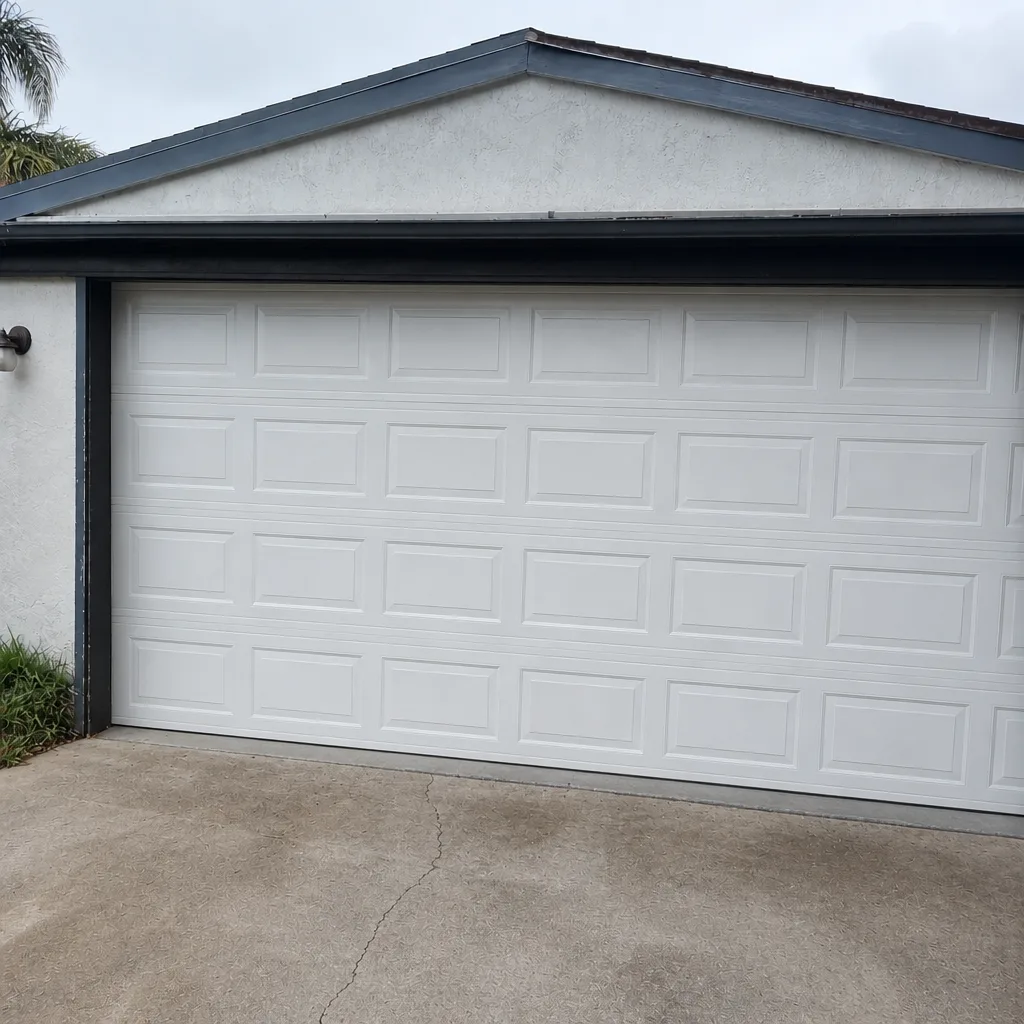
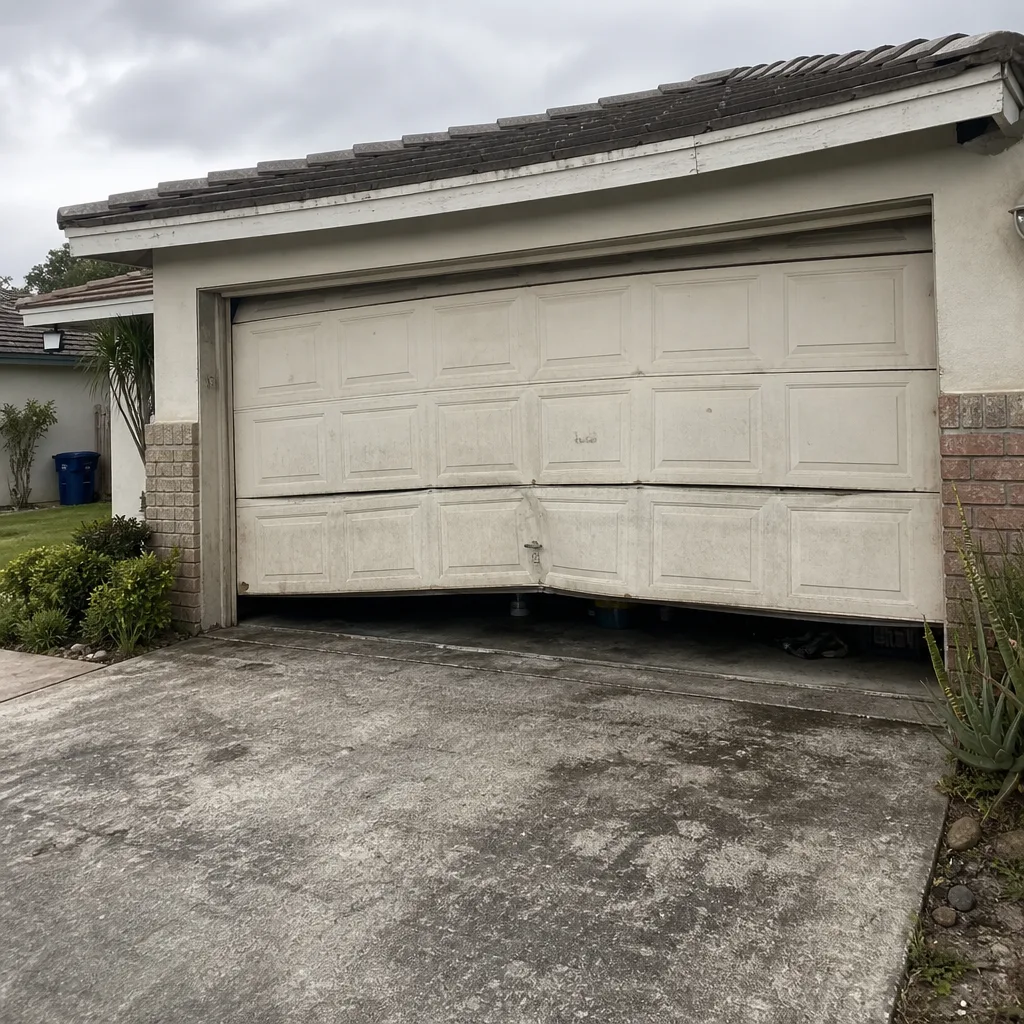
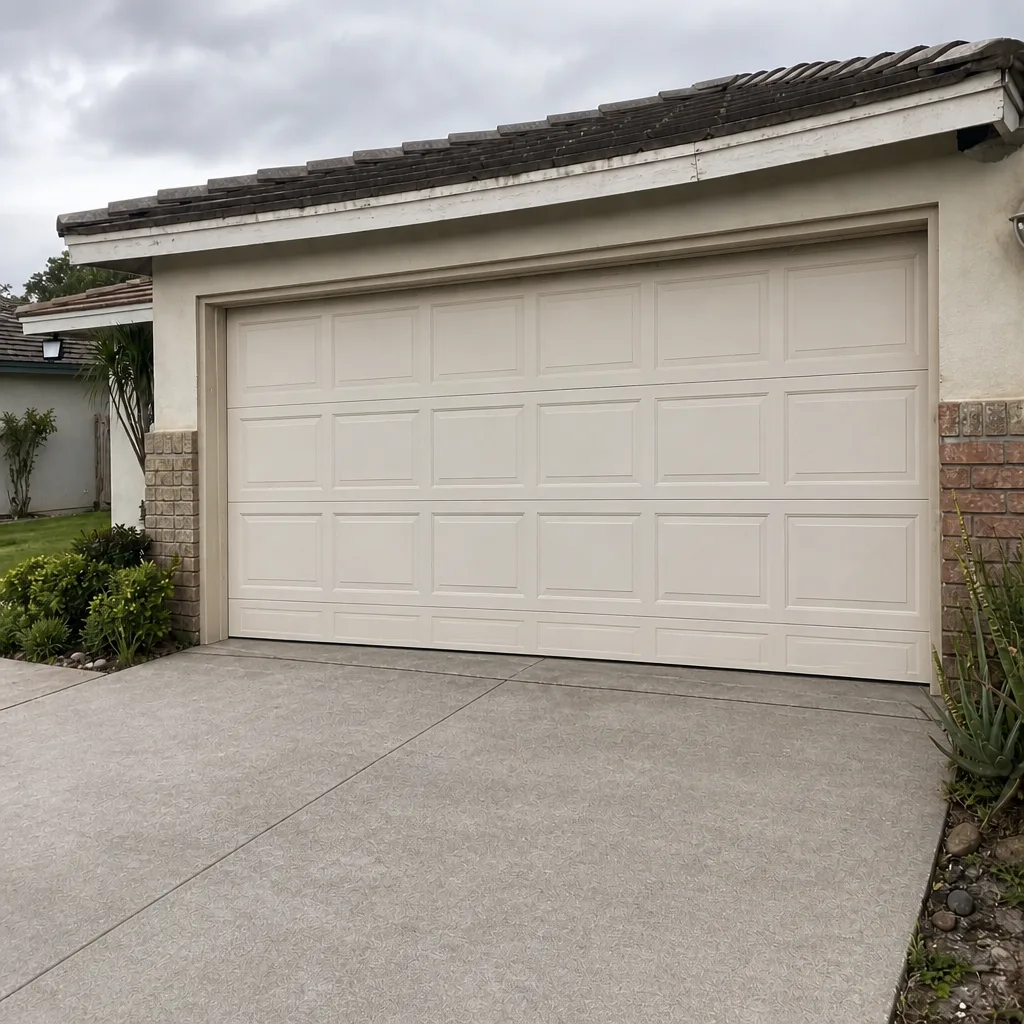
See the difference
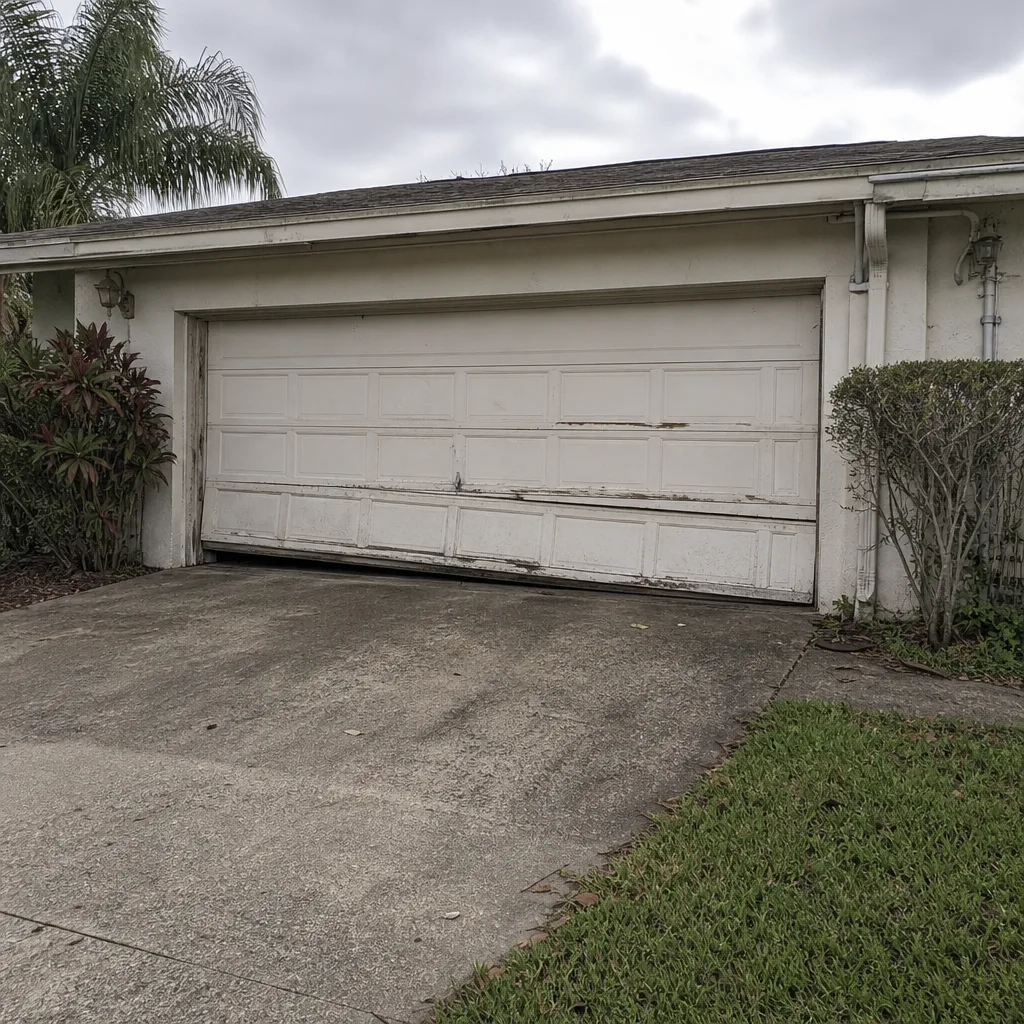 Before
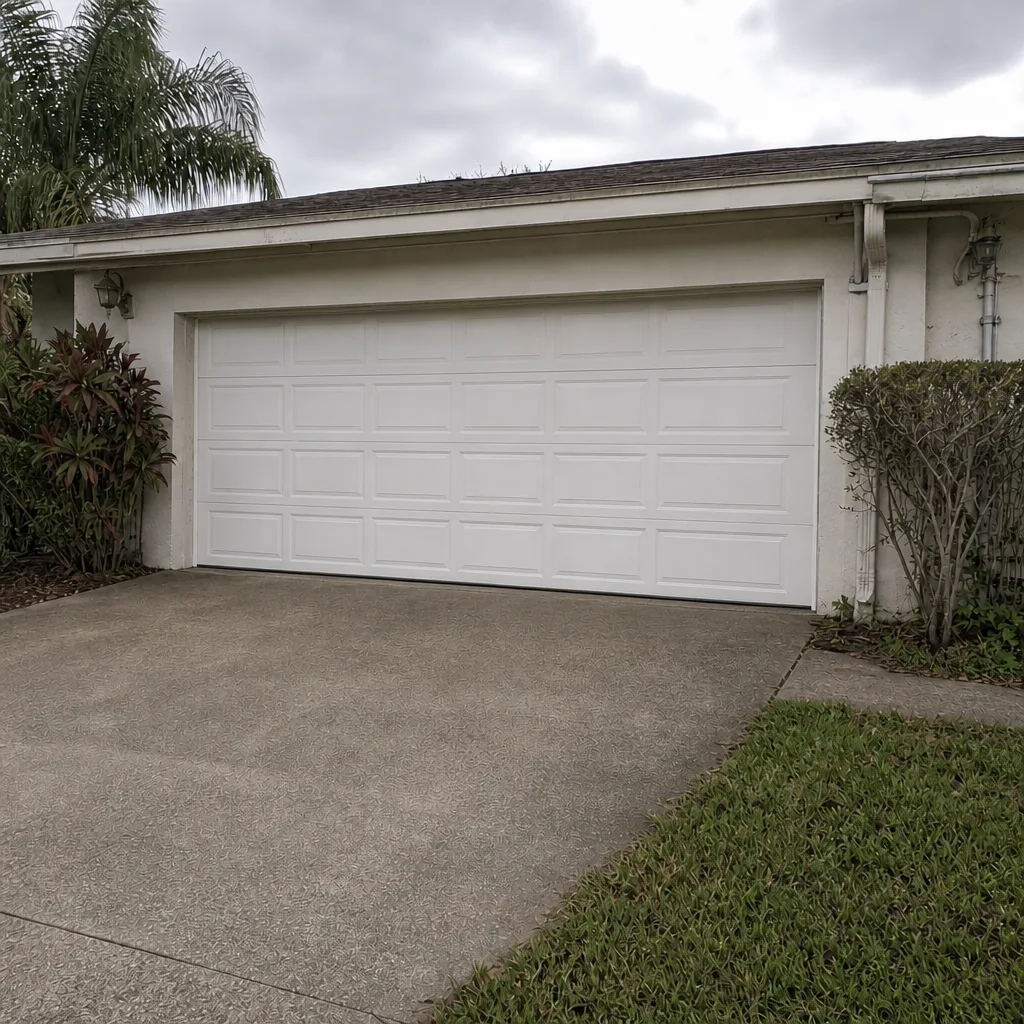 After
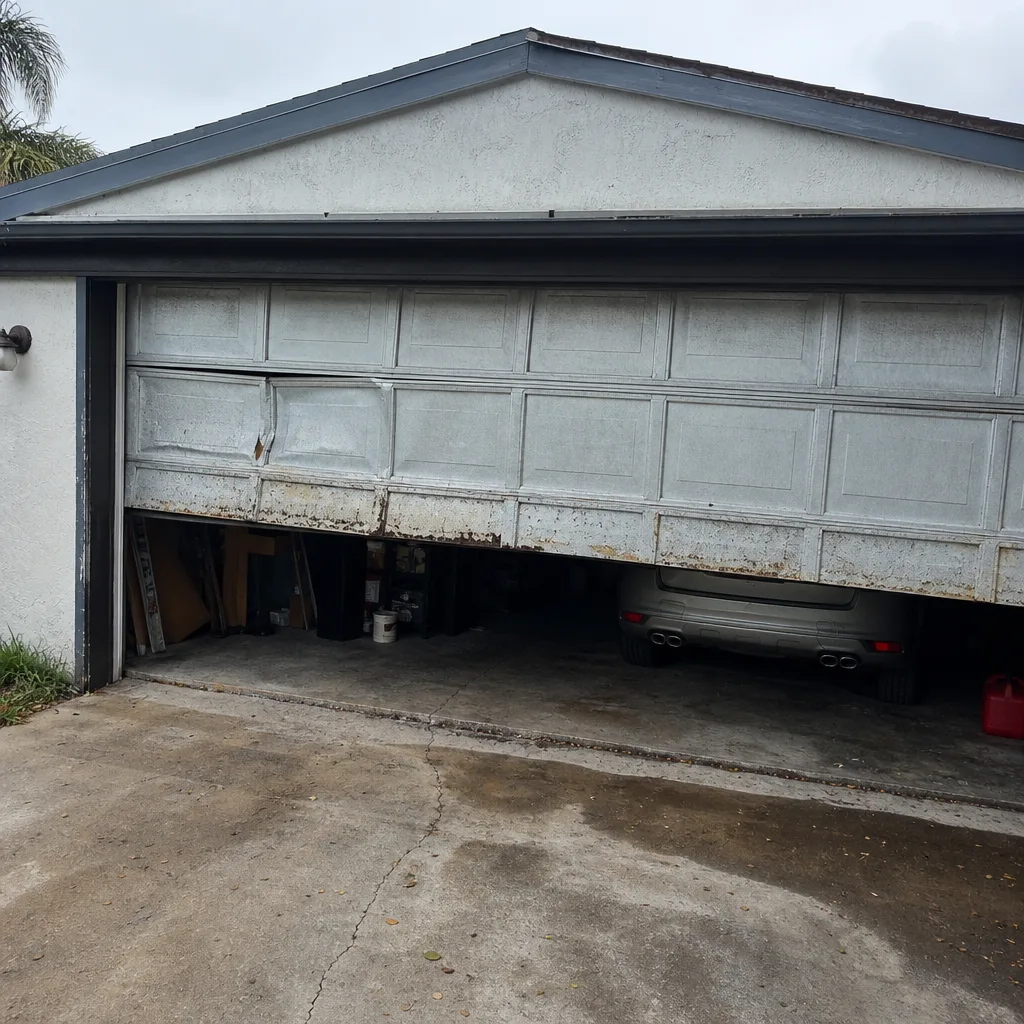 Before
 After
 Before
 After
When to Call a Professional
Call a professional when the door won’t move, when the opener runs but the door doesn’t, when you see a snapped spring or a cable hanging loose, or when the door is off its track. These are the scenarios where the mechanism is under load or the door is unstable, and they’re not jobs for a homeowner or a general handyman. Call a professional also when the door needs to pass an inspection and you want the work documented correctly. For installations and replacements, call for a measure and a written price; that’s a scheduled job, not an emergency.
Sunrise Garage Door Repair Pros offers free estimates in Sunrise. Call (855) 658-4060 to book a visit. If your door won’t move, call and tell us what’s happening; we offer emergency garage door service and can work with your insurer where damage is covered. Our technicians have up to 9 years of experience and work across major brands, including LiftMaster, Chamberlain, Genie, Clopay, Amarr, Wayne Dalton, Craftsman, and Raynor. Repair, opener work, springs, and a new installation all come from the same call. A full picture of what we do is at Sunrise Garage Door Repair Pros.
Frequently Asked Questions
Garage door repairs in Sunrise typically range from about $95 to $350 for common fixes like opener sensors, rollers, and cables. Spring repair is usually quoted separately, and a spring pair costs more than a single spring. The written estimate sets the final price, and it’s provided before any work starts. Call (855) 658-4060 for an exact quote; estimates are free.
Same-day service is available for repairs in Sunrise, including emergency calls for doors stuck open or closed. Call (855) 658-4060 and describe what the door is doing; a team member can tell you the soonest slot. Installations and replacements are measured and scheduled rather than same-day.
The written estimate is the price; the purpose of the visit is to confirm the scope, then quote. If the estimate changes once the technician is on site, it changes because the scope changed, and you should approve the new number before work proceeds. Nothing is added to the bill without you agreeing to it.
It depends on the scope. Repairs such as a spring replacement or opener service don’t always require a licensed contractor under Florida statute, while installations and any work involving structural modification may. Ask the City of Sunrise building department what your job requires, and verify a contractor’s license on the DBPR lookup regardless. The answer should be in writing.
A specialist works on garage doors and openers for a living, across the brands in the home, and has the parts and training to repair what’s already there. A general handyman doesn’t carry brand-specific parts, lacks the training for high-tension spring work, and often defaults to replacement. Springs are the most dangerous part of the system and should be handled only by a trained technician.
We work on the major residential brands homeowners already have, including LiftMaster, Chamberlain, Genie, Clopay, Amarr, Wayne Dalton, Craftsman, and Raynor. If your door is one of those, a technician can diagnose it and quote a repair rather than a replacement. Call (855) 658-4060 with the brand and model if you know it.
The Bottom Line
Hiring a garage door contractor in Sunrise comes down to a few checks done in the right order. Verify the license on the DBPR lookup before you book, and confirm the class covers the job. Ask for a certificate of insurance naming you as additional insured. Get a written estimate with line items, specified parts, and a stated warranty. Ask whether the scope requires a permit, and confirm the answer with the City of Sunrise building department. And ask the brand questions: a specialist who works on your opener will repair what you have; a generalist will push a replacement. Springs and emergency failures call for a trained technician, not a DIY attempt. When you’re ready to book, we’re here: same door, working again, one call covers it all.
Ready to get a written estimate in Sunrise? Call (855) 658-4060 today. Estimates are free, the quoted price is agreed before any work begins, and we can work with your insurer if your repair is part of a covered claim.
Written by the team at Sunrise Garage Door Repair Pros.