Last updated November 23, 2026
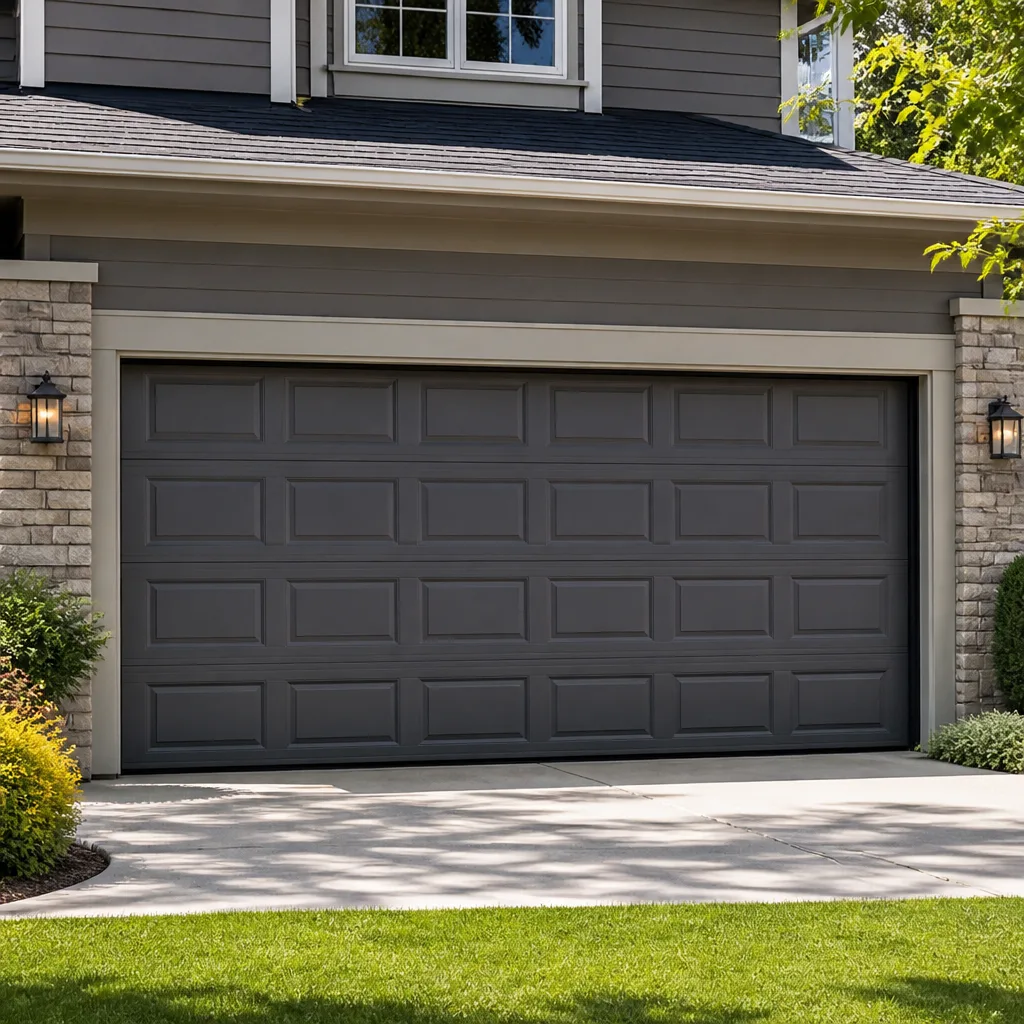 Raised-panel steel
 Carriage house
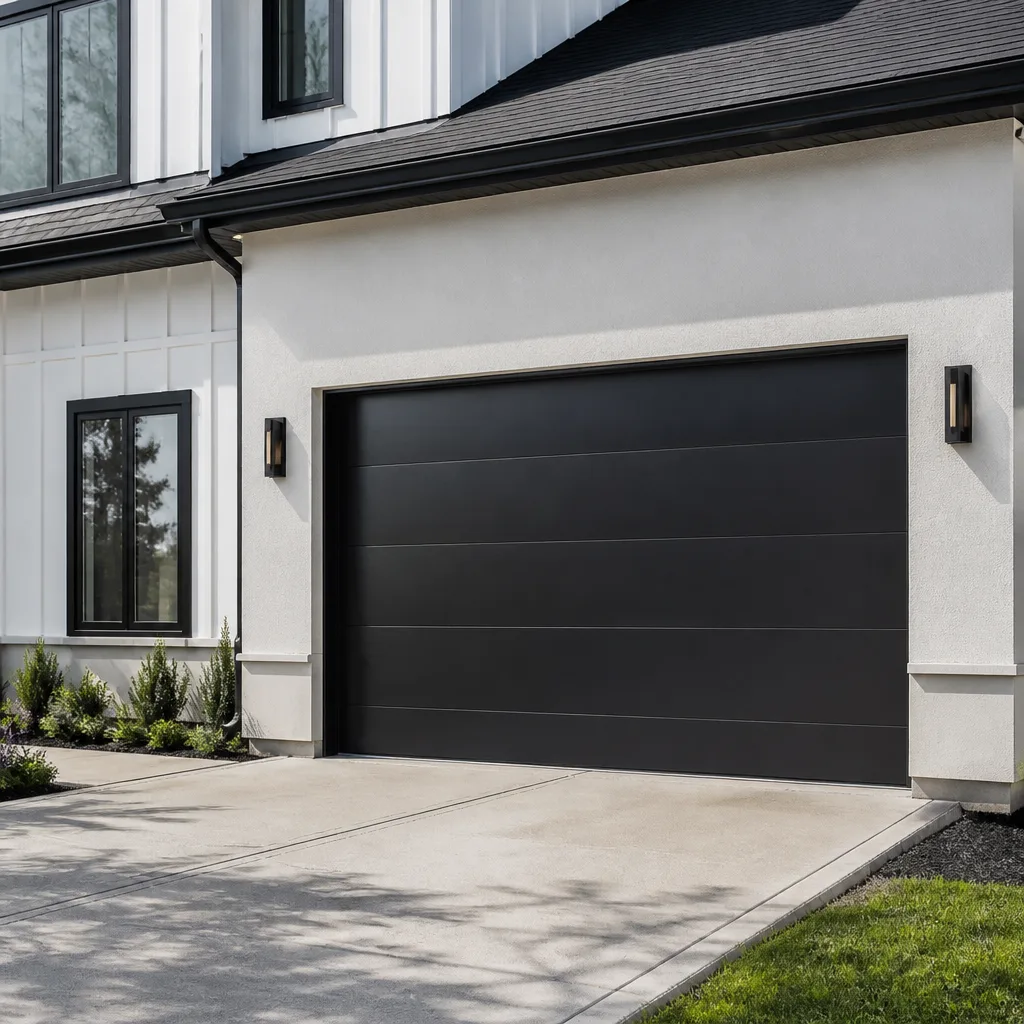 Modern flush
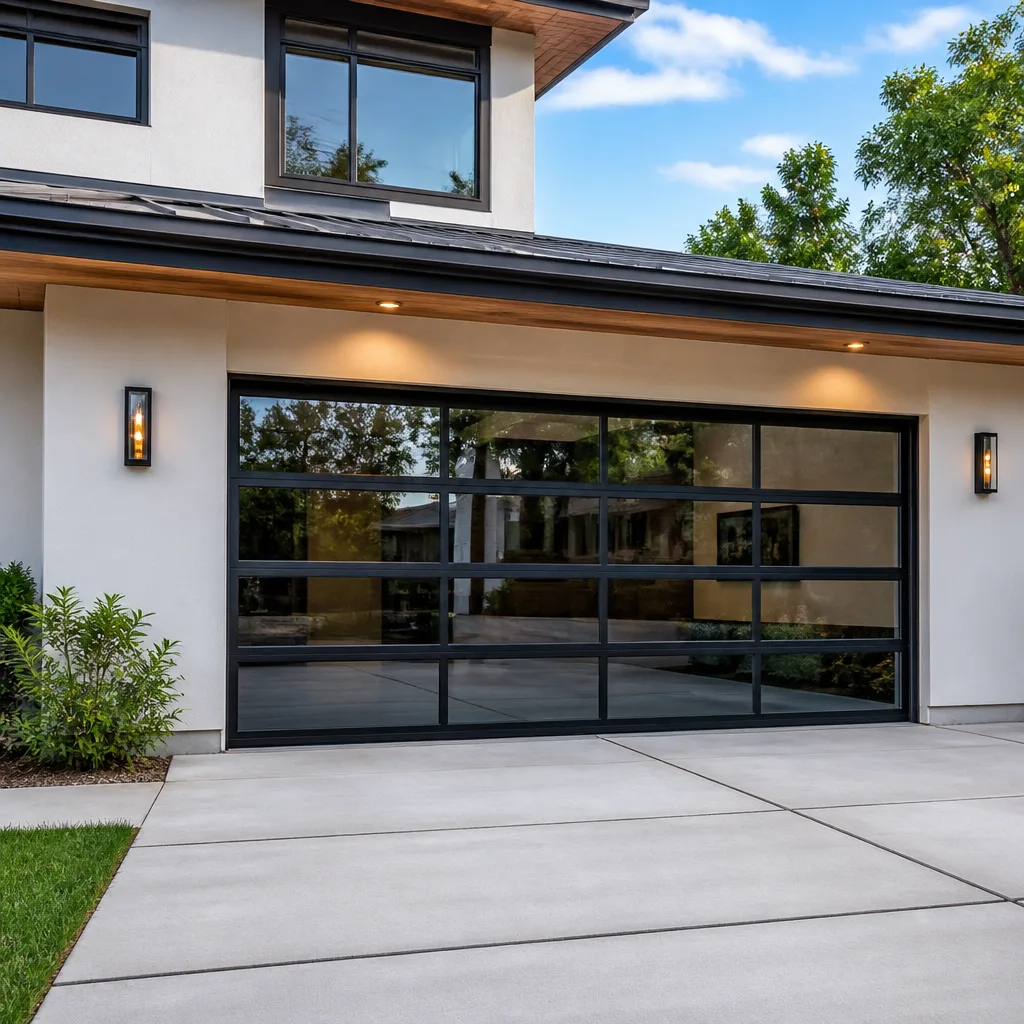 Full-view glass
 LiftMaster openers
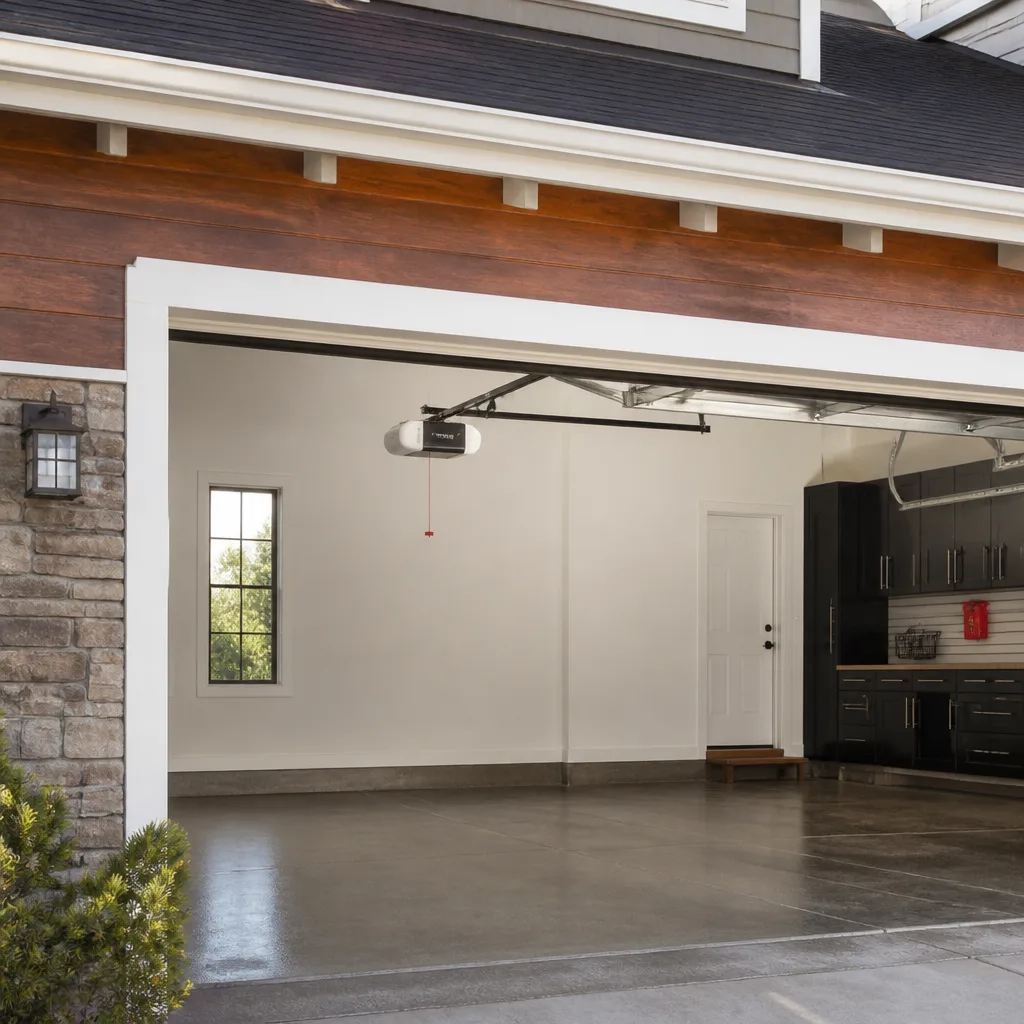 Chamberlain openers
Full 25-point door and opener safety check with every visit - springs, cables, rollers, tracks, and your LiftMaster or Chamberlain opener included
You get a price before we start. It does not change when the pro arrives.
Get your free estimateDIY vs Professional Garage Door: The Sunrise Homeowner’s Decision Guide
Most guides treat garage door repair as one big scary category, warning you off everything from a broken spring to a squeaky hinge. That’s not useful, and it doesn’t help you decide. The truth is narrower: a few jobs are genuinely dangerous, a few will affect your warranty, a few cross a legal line in Florida, and the rest are perfectly reasonable tasks for a careful homeowner with a free afternoon. This guide draws those lines clearly so you know what you can tackle and what should go to a trained technician. We work on garage doors across Sunrise every week, and we’d rather you make an informed call than a nervous one.
Quick Answer
You can safely handle lubrication, visual inspections, roller swaps, weather seal replacement, and keypad or remote programming yourself. Tasks involving torsion springs, cables, the bottom bracket, or the opener’s internal electronics carry real injury risk or warranty consequences and belong with a trained professional. In Florida, a new door installation can also require a licensed contractor and a permit, so it’s rarely a DIY job.
Styles & brands we work with
- Raised-panel steel
- Carriage house
- Modern flush
- Full-view glass
- LiftMaster openers
- Chamberlain openers
Table of Contents
- Which garage door jobs are safe to DIY in Sunrise?
- Which garage door tasks require a professional?
- What does Florida law say about garage door work?
- How does DIY work affect your garage door warranty?
- What’s the real cost comparison for DIY vs professional repair?
- The five most common DIY attempts in Sunrise, compared
- What tools and time does a DIY job actually take?
- How to describe a problem to a technician after a failed DIY attempt
Which garage door jobs are safe to DIY in Sunrise?
The safest DIY work on a garage door is anything that doesn’t touch tension. Lubrication, cleaning, seal replacement, roller changes, and remote programming all keep you away from the components under load. These are the tasks we’d hand a homeowner a wrench for and talk them through if they called us. Everything else is a judgment call, and the judgment gets easier once you know what makes a job dangerous.
A few tasks qualify as fair game for a confident homeowner:
- Lubricating the track, rollers, hinges, and spring coils. A garage door is a mechanical system with moving parts, and keeping metal-on-metal surfaces lubricated reduces noise and slows wear. Use a product made for garage doors rather than household oil, and avoid spraying WD-40 onto the springs as a substitute for real lubricant.
- Wiping down tracks and checking alignment by eye. A visual inspection for bent track segments, loose bolts, or frayed cables catches problems early. If you spot a frayed cable, stop and call – don’t touch it.
- Replacing the bottom weather seal. This is a rubber gasket that slides into the bottom of the door. It wears out in Florida’s heat and sun, and swapping it is a straightforward slide-and-trim job.
- Swapping nylon rollers. If your door uses nylon rollers rather than steel, and they’re above the bottom bracket, replacing them is manageable. Never reach near the bottom bracket or the springs to do it.
- Programming remotes and wall keypads. This is usually a matter of holding buttons in the right sequence and reading the manual. For door opener brands like Chamberlain or LiftMaster, the manual spells it out.
- Replacing the opener’s battery backup or light bulbs. Simple, safe, and covered in the manual.
The common thread is that none of these jobs involve the torsion spring, the extension springs, the cables, or the bottom bracket. Those parts hold the entire weight of the door, and they’re the reason garage door repair has a reputation for injury.
Which garage door tasks require a professional?
Springs, cables, and the bottom bracket are the components that cause the most serious garage door injuries, and they require training, the right tools, and an understanding of how a door’s counterbalance works. A torsion spring under load stores enough energy to cause serious injury in under a second. That isn’t a scare tactic – it’s the reason technicians treat these parts as a separate discipline from everything else. If your door has a broken spring, wrapped cable, or damaged bottom bracket, call a professional. This is exactly the part of the trade our garage door spring repair team handles every day, and it’s the single most dangerous DIY job in the garage.
Beyond springs and cables, a handful of other tasks call for a trained technician:
- Opener circuit board or logic board failures. Diagnosing a board-level fault requires the right meters and knowledge of the specific unit. We service these on garage door opener repair calls across Sunrise, and it’s not a job to guess at.
- Opener replacement or new opener installation. The safety sensors, the travel limits, and the force settings all need to be dialed in correctly. A misadjusted opener is a hazard, not just an inconvenience.
- Full door installation or replacement. This requires proper measurement, structural attachment, and in Florida often a licensed contractor and permits.
- Track realignment after a hard impact. A door that’s come out of its track has usually bent the track and stressed the cables. It’s not a hammer-it-back job.
- Any noise or movement that appeared suddenly after a spring breaks. If the door won’t lift, doesn’t hold position, or slams down, stop operating it and get it looked at.
We’ve seen too many doors where a homeowner tried a spring replacement and ended up with a bent track and a stripped torsion bar on top of the original problem. The repair grows instead of shrinking. “Same door, working again” is our goal, and that usually means the trained technician does the part under load.
What does Florida law say about garage door work?
South Florida is one of the most regulated places in the country for garage doors, and the rules are stricter than in most of the state. Broward County, where Sunrise sits, applies what’s called the High Velocity Hurricane Zone (HVHZ) standard to new garage door installations, which means a new door has to be a rated product with the right approval, and the installation has to pass inspection. This is the clearest legal line between DIY and professional work, and it’s about safety and code compliance, not preference.
The practical consequences are:
- New door installation in Sunrise generally requires a permit and a licensed contractor. If you’re replacing a door rather than repairing one, call the City of Sunrise building department to confirm what your property requires before you order anything.
- Like-for-like repair is usually not a permit job. Replacing a broken spring, a roller, or an opener is a repair, and repairs are a normal professional service. The permit question is mostly about new installations and structural changes.
- If your insurer or HOA asks for documentation of a new door’s wind rating or installation, an unpermitted install can become a problem at sale, refinance, or claim time. That’s a slow-developing risk that many homeowners don’t see coming.
- If you’re not sure whether your job needs a permit, the safe move is a phone call to the building department before you start. It takes five minutes and settles the question.
We’re not lawyers, and we can’t give you a legal opinion on your specific property. But we do know that Sunrise homeowners call us regularly after deciding a door replacement was a weekend project, and the conversation usually ends with “we should have checked the permit first.” Checking is free. Skipping it can cost you a great deal.
How does DIY work affect your garage door warranty?
DIY work can void parts warranties and labor coverage, and the rules vary by manufacturer. Most garage door and opener warranties are written to cover defects in materials and workmanship when the product is installed and serviced by a qualified professional. If a homeowner takes a door apart, changes the torsion settings, or installs a part with the wrong rating, the manufacturer can decline a claim on the damaged component.
The brands we work with most often – LiftMaster, Chamberlain, Genie, Clopay, Amarr, Wayne Dalton, Craftsman, and Raynor – each publish their own warranty terms, and they’re not identical. A few patterns hold across most of them:
- Opener warranties usually exclude damage from improper installation or use. If a homeowner replaces the logic board and something fails afterward, the manufacturer can point to the unauthorized repair.
- Spring warranties are tied to proper installation. A replacement spring installed with the wrong winding or without the right tools is unlikely to be covered, and worse, it’s dangerous.
- Clopay and Amarr attach specific conditions to their door sections and finishes. A DIY paint job or an incorrectly installed bottom seal can fall outside the finish warranty.
- Labor is almost never covered unless the work was done by an authorized service provider. A manufacturer might replace a part, but not the labor to install it, and that’s where the real bill is.
The safe pattern is to check the manual before you touch anything under warranty. If you’re unsure, a quick call to a professional who works with your brand is cheaper than a voided warranty. If you’d like help diagnosing your door’s brand and warranty situation before you decide, our team is happy to talk it through.
What’s the real cost comparison for DIY vs professional repair?
DIY looks cheaper on paper until you count the tools, the time, and the odds you’ll have to redo the job. A homeowner buying a torque wrench, winding bars, a spring scale, and a set of vice grips for a one-time spring replacement has spent more on tools than the repair would have cost. On a simpler job like a weather seal or a roller swap, DIY can genuinely save money. The comparison is never just parts versus labor.
Here’s a rough way to think about the five most common garage door DIY attempts in Sunrise:
- Bottom weather seal replacement. DIY: the cost of the seal and about an hour. Professional: a small service call. DIY often wins here if the door is a standard size.
- Roller replacement. DIY: rollers plus an hour and a step ladder. Professional: modest labor. DIY is reasonable for nylon rollers above the bottom bracket.
- Lubrication and tuning. DIY: a can of garage-door lubricant and 30 minutes. Professional: usually folded into a larger service call. This is the easiest DIY win.
- Remote or keypad programming. DIY: free if the manual is findable. Professional: a small diagnostic fee. DIY is fine.
- Spring replacement. DIY: tools that cost more than the repair, plus real injury risk. Professional: priced per spring, with a matched pair usually replaced together. This is where DIY almost never makes sense.
The piece most homeowners underestimate is redo risk. A DIY spring replacement that goes wrong damages the torsion bar, the track, or the door panel, and the repair ends up three times the original quote. When a technician does the job, you get a written estimate before any work starts, and the number on the invoice matches the number on the estimate. If you want an exact number for your door, call (855) 658-4060 – estimates are free.
The five most common DIY attempts in Sunrise, compared
Sunrise homeowners are a resourceful group, and we see the same five DIY projects come through on repair calls. Here’s how each one plays out from our side of the call, including what tends to go wrong.
- Unjamming a door that came off its track. The door won’t close, or it’s hanging crooked. The homeowner tries to lift it back into the track. When it doesn’t work, the track gets bent and the door becomes harder to fix. A trained technician realigns the track and checks the cables at the same time. This one is usually a quick professional fix if it stops early and a bigger one if it doesn’t.
- Replacing a broken torsion spring. The do-it-yourself version requires winding bars, a scale, and knowledge of the door’s weight. If the spring is the wrong size or wound incorrectly, the door can slam or the torsion bar can snap. This is the DIY job we see fail most often, and the one with the highest injury risk.
- Fixing a flashing opener light or a non-responsive opener. The homeowner replaces the remote, then the battery, then the wall button. The actual problem is often a safety sensor misalignment or a logic board fault. A trained technician diagnoses in a single visit what a homeowner can spend a weekend on.
- Replacing a snapped cable. Cables carry the load with the springs. A homeowner who replaces one without tensioning it correctly ends up with a door that’s level on one side and sagging on the other. Cables are never a solo DIY job.
- Installing a new opener. The box says it’s a weekend project. The tricky part is the safety sensors, travel limits, and force settings, which need to be set so the door reverses on contact. A poorly adjusted opener is a real hazard, and this is a routine professional install.
Notice a pattern? The higher the tension in the component, the worse the DIY outcome. Low-tension jobs and electronic programming are where DIY pays off. High-tension jobs are where it doesn’t.
What tools and time does a DIY job actually take?
Most DIY garage door work either needs almost no tools or needs a tool set you don’t own. That split is the best guide to whether a job is worth attempting. A weather seal needs a utility knife and a ladder. A spring replacement needs winding bars that most homeowners will use once and never touch again.
Here’s a realistic breakdown of what each common DIY task involves:
- Lubrication: one can of garage-door lubricant, a rag, a step ladder, about 30 minutes. No special skills.
- Weather seal: a replacement seal sized to your door, a utility knife, a screwdriver, about an hour. Straightforward if the seal slides into a channel.
- Roller replacement: a set of rollers, pliers, a screwdriver, a step ladder, 30 to 60 minutes. Safe if you stay above the bottom bracket.
- Remote and keypad programming: the opener manual, sometimes a ladder, 10 to 20 minutes. Free if the manual is in the house.
- Spring replacement: winding bars, a torque wrench or scale, a set of locking pliers, and a solid understanding of how torsion and extension springs differ. Realistically a half-day for a trained tech and not something we recommend a homeowner take on.
If a job needs a tool you’ll only use once, that’s a sign it belongs with a professional. The tool cost alone usually tops the repair. Call (855) 658-4060 for a free estimate and compare before you buy anything.
How to describe a problem to a technician after a failed DIY attempt
If you’ve already tried to fix something and it didn’t work, tell the technician exactly that. Any honest pro would rather hear “I replaced the roller and the door still squeaks” than have to figure it out from scratch. A clear history makes the diagnosis faster and cheaper for you, and it also helps the technician avoid a second attempt at a fix you already tried.
Here’s how to describe your situation clearly when you call:
- Say what the door is doing now. “The door opens about a foot and stops.” “The opener light flashes and nothing moves.” “The door is crooked on the left side.”
- Say what you already did. “I replaced the bottom seal.” “I swapped two rollers above the bottom bracket.” “I reprogrammed the keypad and it still doesn’t work.” Be specific about which brand and model if you know it.
- Say what changed after your attempt. Did the symptom change, get worse, or stay the same? That’s the most useful single piece of information a technician gets.
- Say where you stopped. If you opened a panel and stopped, or replaced a part and put the old one back, mention it. A technician needs to know what state the door is in.
- Have your brand and model ready. A LiftMaster, Chamberlain, Genie, Clopay, Amarr, Wayne Dalton, Craftsman, or Raynor door or opener each has its own quirks. Knowing the brand helps the technician arrive prepared.
You’re not going to be judged for trying. Our team has seen just about every variation of a homeowner fix gone sideways, and we treat the call as a normal service visit. “From opener remote to torsion spring to full installation – one call covers it all” is a real description of what we do. And if you’d rather not attempt the next fix yourself, that’s exactly the call we’re here for.
Common Mistakes to Avoid
- Attempting a spring replacement without winding bars. A screwdriver or a pair of pliers is not a substitute, and the consequences of a slip are severe. Springs are the most dangerous part of your garage door system – leave them to a trained technician.
- Touching the bottom bracket or cables. These parts hold the door’s weight and carry the spring tension. Even a small adjustment can go wrong if you don’t know how the counterbalance works.
- Forgetting to check the manual before disconnecting anything. A garage door is a system, and the safety sensors, opener travel limits, and force settings all interact. Disconnecting one without the manual can leave the door in a state that’s hard to undo.
- Installing a new door in Sunrise without checking the permit rules. Broward County’s HVHZ rules apply to new garage door installations, and an unpermitted install can cause trouble at sale or refinance. Call the City of Sunrise building department before you order the door.
- Buying a replacement part without matching the brand and model. A roller from a Craftsman door won’t fit a Wayne Dalton door correctly, and an opener board from one brand rarely swaps cleanly into another.
- Ignoring a new noise or a sudden change in how the door moves. A door that’s suddenly louder, slower, or stops partway usually has a failing component. Catching it early saves the rest of the system.
- Treating a broken spring as a “we’ll get to it” problem. A door with a broken spring is under unbalanced load, and operating it can damage the opener, the track, or the door panel. Get it looked at promptly.
See the difference
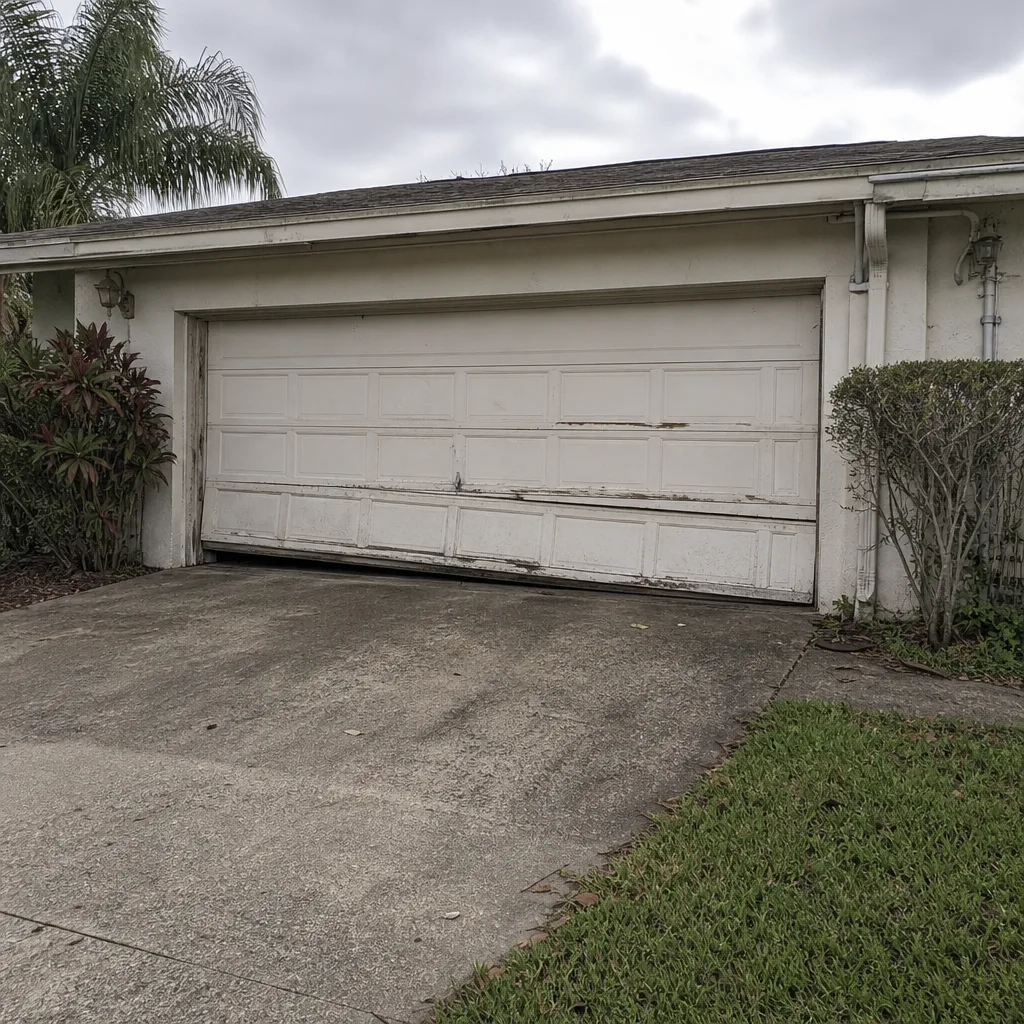 Before
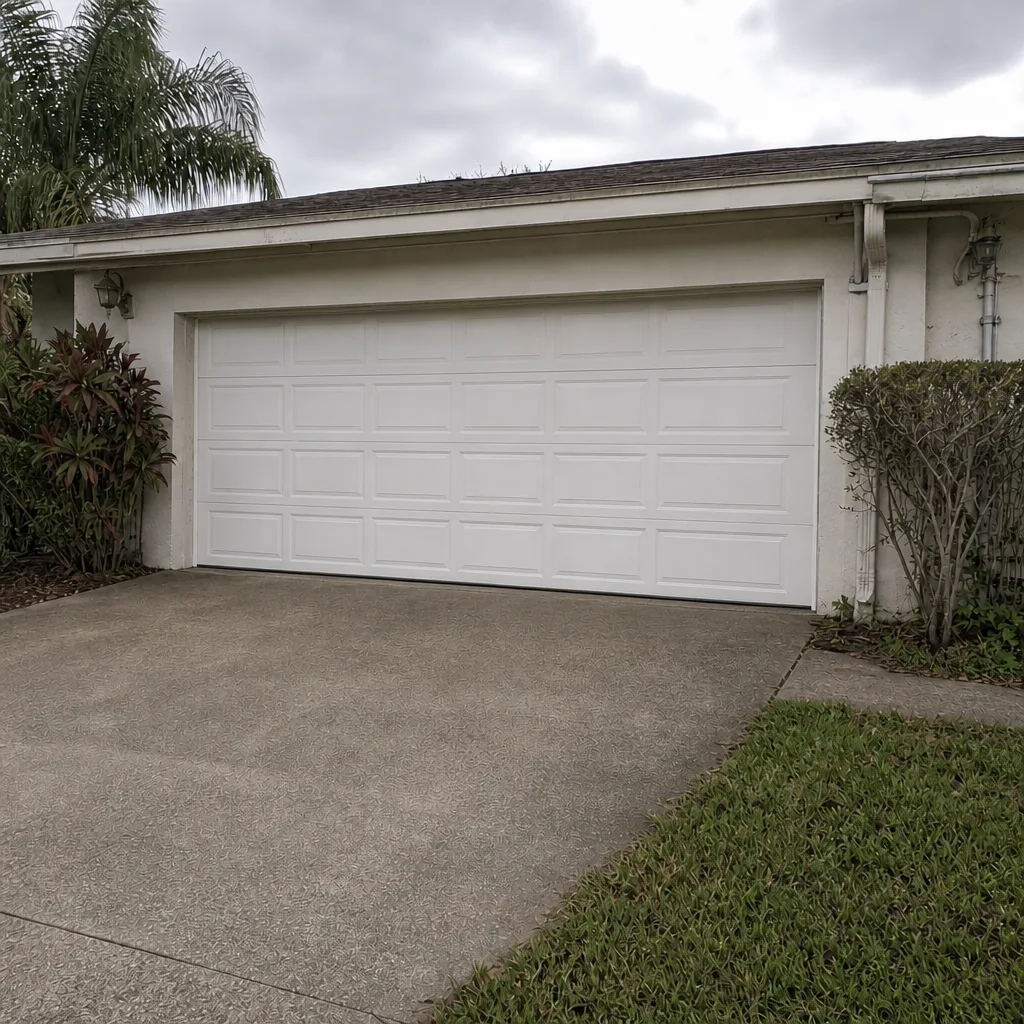 After
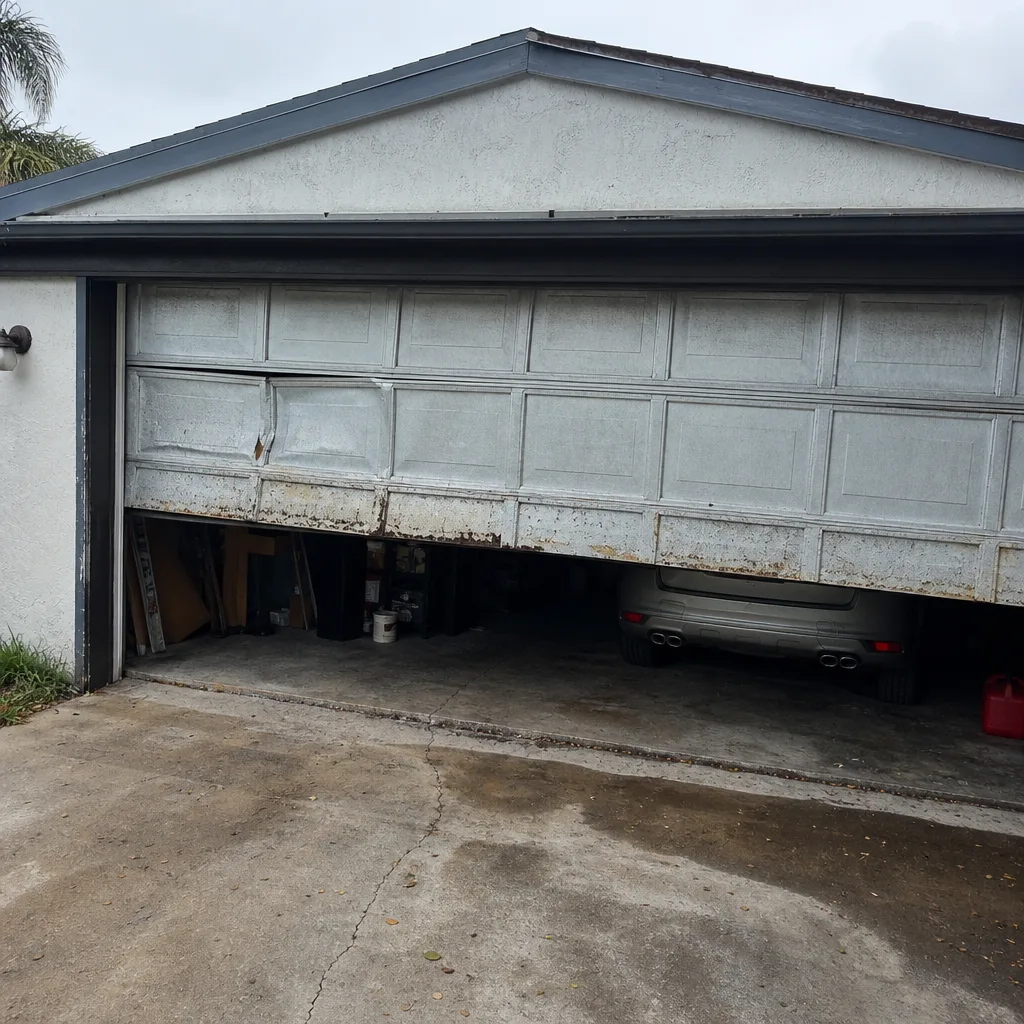 Before
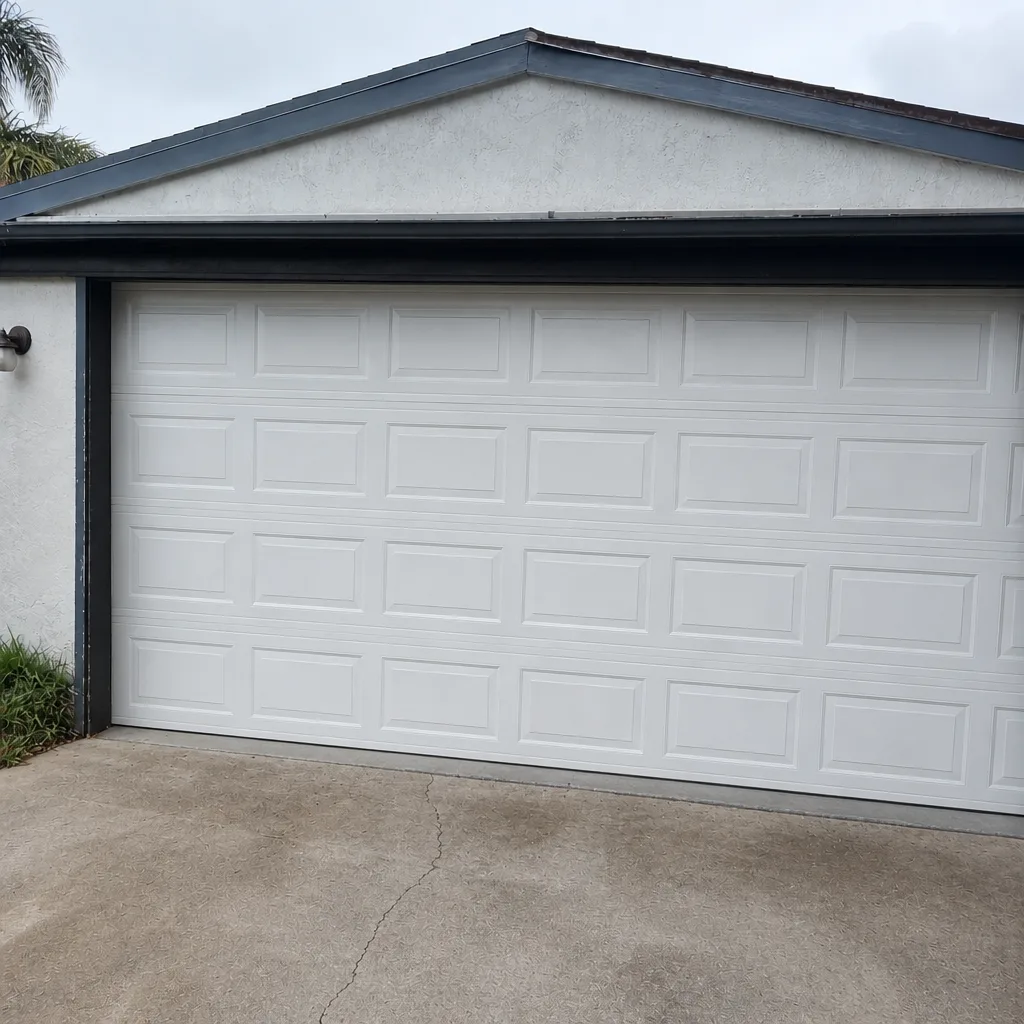 After
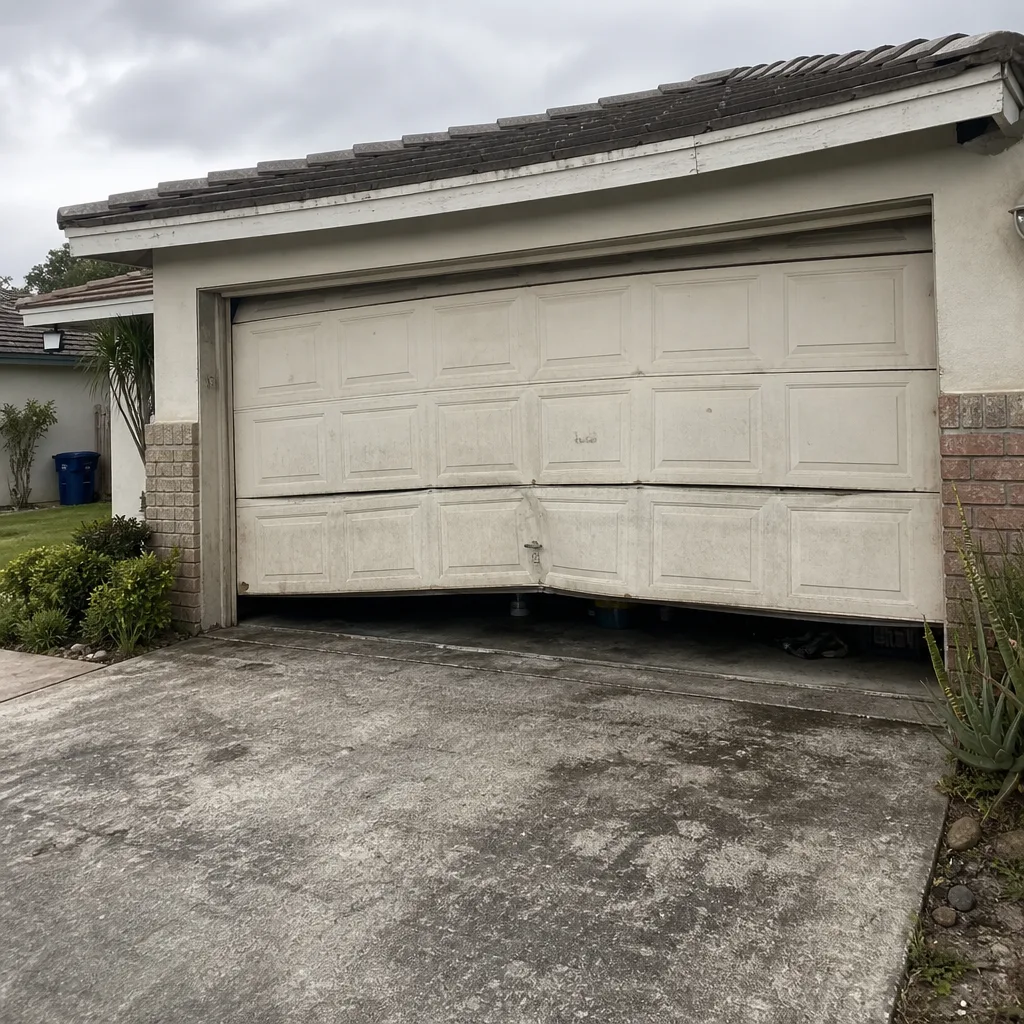 Before
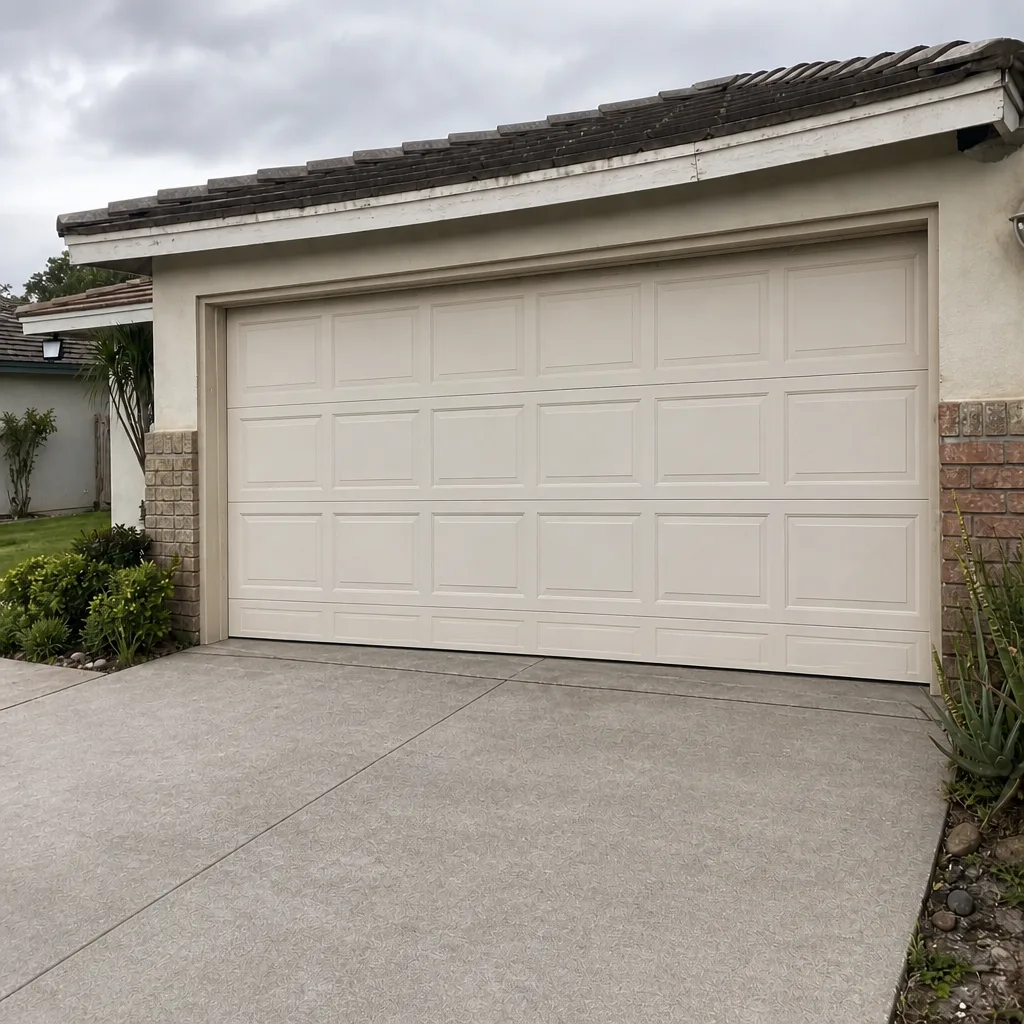 After
When to Call a Professional
Call a professional the moment the job involves torsion springs, extension springs, cables, the bottom bracket, or an opener’s internal electronics. Call when the door has come off its track, when a new door needs installing, or when a warranty-relevant part has failed. And call if you’ve tried a fix and it didn’t work, because the second attempt is usually the one that costs more than the first. Sunrise Garage Door Repair Pros offers free estimates in Sunrise – call (855) 658-4060. Our technicians have up to 9 years of experience, we work on every major garage door brand, and the price is quoted and agreed before any work starts. If your door won’t move, we will – and our emergency garage door service exists for exactly the situations where the door is stuck open, stuck shut, or stuck partway and the house is left unsecured. For straightforward repairs, our garage door repair team gets you back to normal without pushing a replacement.
Frequently Asked Questions
No – spring replacement is the one garage door job we strongly recommend against doing yourself. Torsion and extension springs are under extreme tension, and a slip can cause serious injury. The job also requires specific tools and a correct spring size for your door’s weight. Our team handles spring replacement every week, and we’d rather you call us than risk a hospital visit. Estimates are free, so it costs nothing to get a number: (855) 658-4060.
Lubrication, visual inspections, bottom weather seal replacement, roller replacement above the bottom bracket, and remote or keypad programming are all safe DIY tasks. These don’t involve the springs, cables, or bottom bracket, and they don’t require specialty tools. If you’re unsure whether a job touches tension, it probably does, and it’s a professional call.
DIY work can void the warranty on the part you touch, and most manufacturer warranties require professional installation or service to keep coverage active. The rules vary by brand, so check the manual for your specific door or opener. If your door is a Clopay, Amarr, or Wayne Dalton model, a quick call to us can confirm what your warranty likely requires before you start.
Likely yes. Sunrise is in Broward County, and Broward applies the High Velocity Hurricane Zone rules to new garage door installations, which generally means a permit and a licensed contractor. Confirm with the City of Sunrise building department for your specific property before you order a door. Repairs to an existing door are usually not a permit job.
Yes – tell us exactly what you tried and what the door is doing now, and we’ll diagnose from there instead of starting from scratch. A short history of the symptom before and after your attempt usually speeds up the repair. Call (855) 658-4060 and we’ll book a time to look at it. We’re open Sunday through Friday, 7am to 7pm, and closed Saturday.
We’re closed Saturday, so what we’ll do is book you for Sunday, when we’re open from 7am to 7pm. In the meantime, don’t force the door or pull the emergency release while the door is under tension, and clear the area under it. If your door is stuck or broken, call (855) 658-4060 and leave a message, and we’ll call back to arrange Sunday service. Our emergency garage door service exists for exactly this kind of situation.
The Bottom Line
The DIY vs professional decision comes down to three things: tension, warranty, and law. If a job touches springs, cables, or the bottom bracket, a trained technician should do it, because the injury risk is real and the redo cost is high. If a job affects your warranty and the part is still covered, check before you touch it. And if the job is a new door install in Sunrise or anywhere in Broward County, call the building department before you order. For everything else – lubrication, seals, rollers, remotes, inspections – a careful homeowner can absolutely handle it. When you’d rather have a trained technician take over, we’re here. Call (855) 658-4060 for a free estimate, and we’ll quote it before any work starts.
To read more about what we cover across the area, see Sunrise Garage Door Repair Pros.
Written by the team at Sunrise Garage Door Repair Pros.